Leasehold Flooring Guide
How to Soundproof Wood or Laminate Flooring in a Leasehold Flat
Replacing carpet with wood, laminate or LVT can create a serious impact-noise problem in a flat. This guide explains why leasehold agreements contain acoustic flooring conditions, how dB Matting helps, and when the 12mm or 15mm option is the better choice.
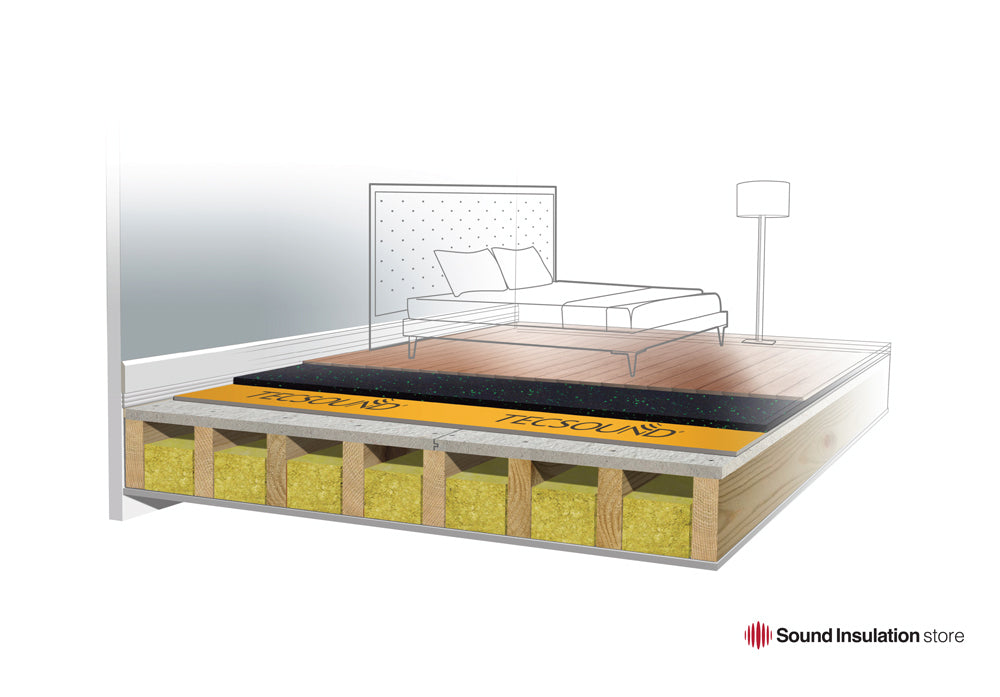
A common lease condition: “Your new flooring must achieve the same acoustic performance as a carpet finish.”
This is not simply a formality. Carpet and conventional underlay soften footfall at source, while a hard floor can transmit footsteps, dropped objects and furniture movement into the structure. Choosing an unsuitable underlay can lead to complaints, disputes with a managing agent or freeholder, and potentially the cost of lifting and replacing the finished floor.
For most leasehold upgrades, we recommend Wood & Laminate dB Matting 12mm as the core solution. Where a higher-performing and heavier mat can be accommodated, dB Matting 15mm provides a premium upgrade.
Why Leasehold Agreements Have Acoustic Conditions
Most leasehold flooring clauses are designed to protect the property below from an increase in noise. Typical requirements include:
- The separating floor must satisfy the relevant acoustic requirements of Approved Document E or another stated performance target.
- The replacement floor should provide acoustic performance comparable with the previous carpet finish.
- A properly tested acoustic underlay or complete flooring system must be installed beneath wood, laminate or LVT.
- The managing agent may ask for product data, a proposed build-up, an acoustic report or post-installation testing.
Lease requirements vary from one development to another. Some simply require an acoustic underlay; others specify a product, test standard, minimum result or licence-to-alter process. Always check the wording before ordering materials.
Why Choose dB Matting?
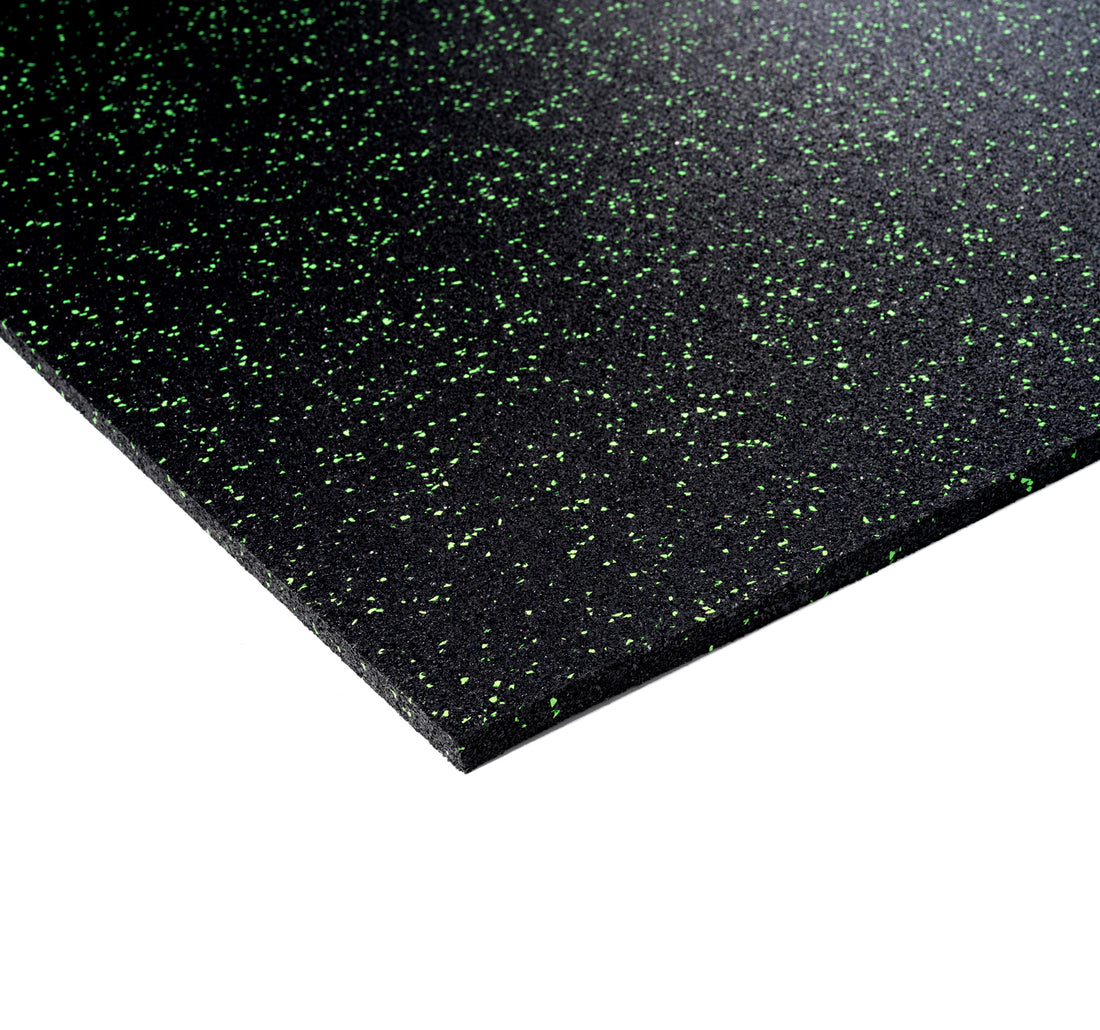
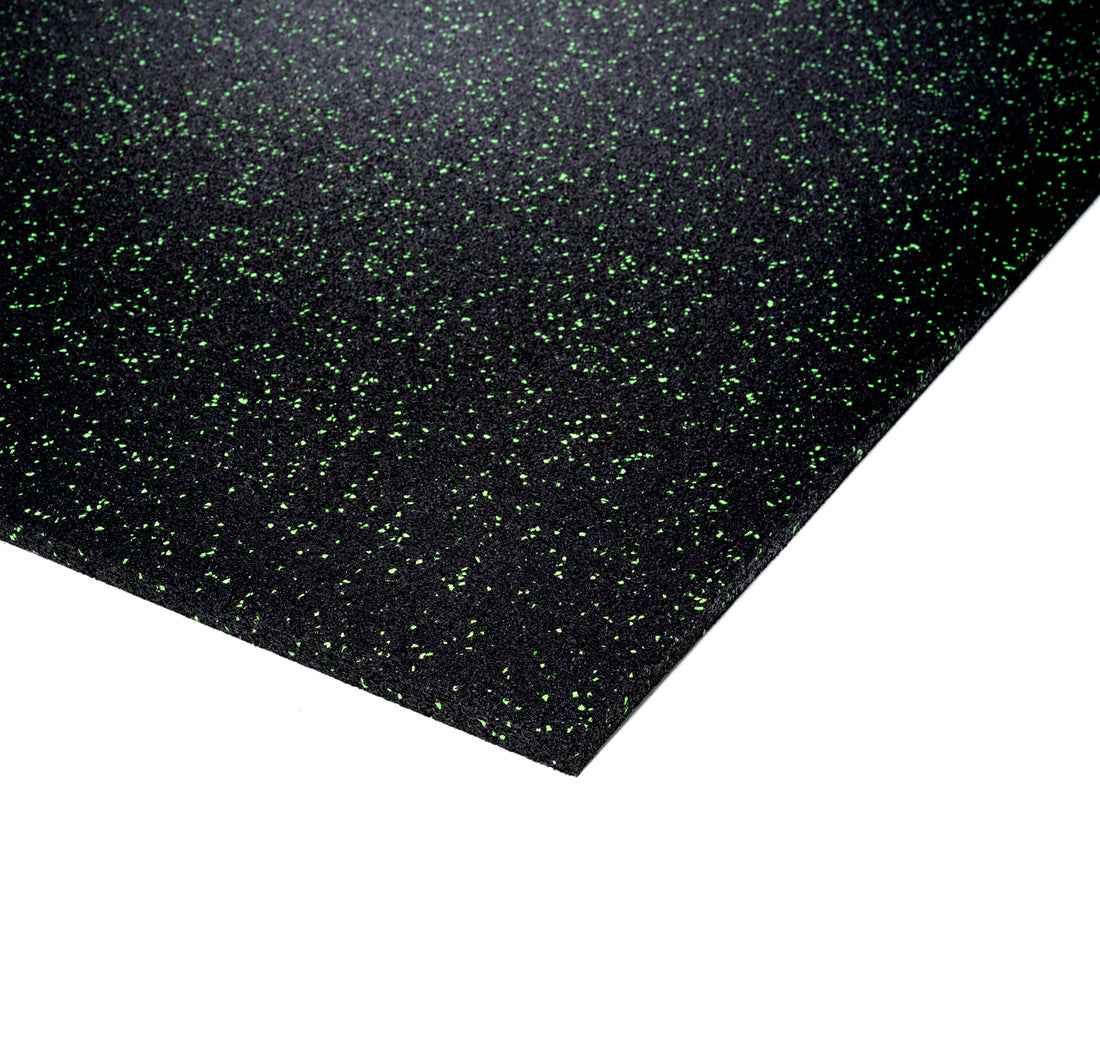
dB Matting is a high-density recycled-rubber acoustic layer designed for use beneath compatible engineered wood and laminate floors. Unlike lightweight foam underlays, it combines resilience with enough density and stability to support meaningful impact and airborne acoustic performance in the correct floor construction.
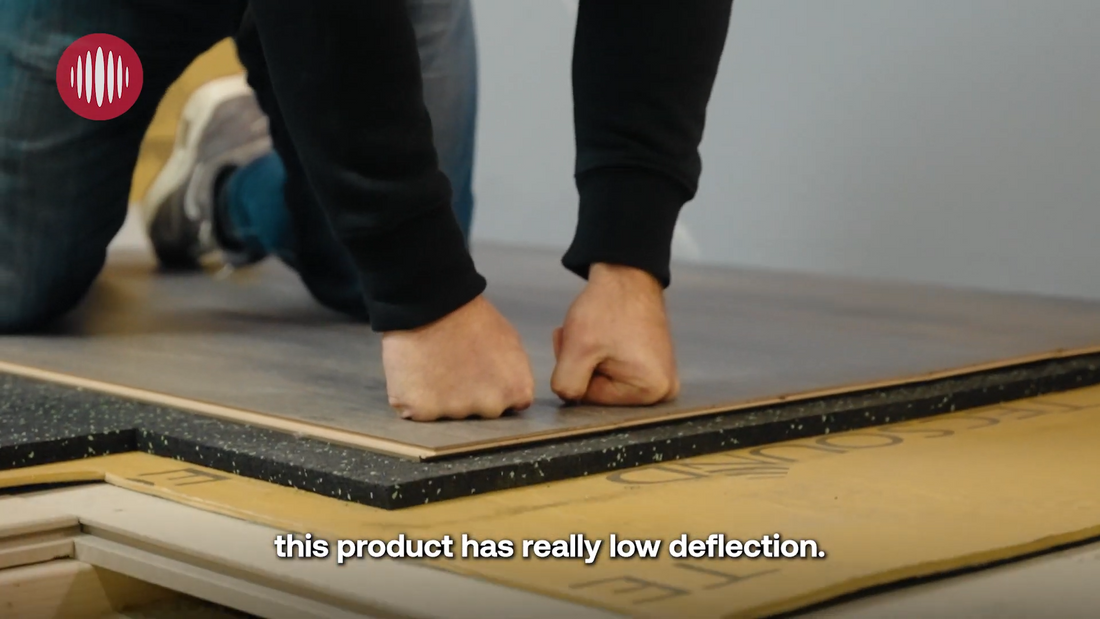
Its low compression helps create a firm floating base, reducing the need for unnecessary build-up beneath many suitable timber and laminate finishes.
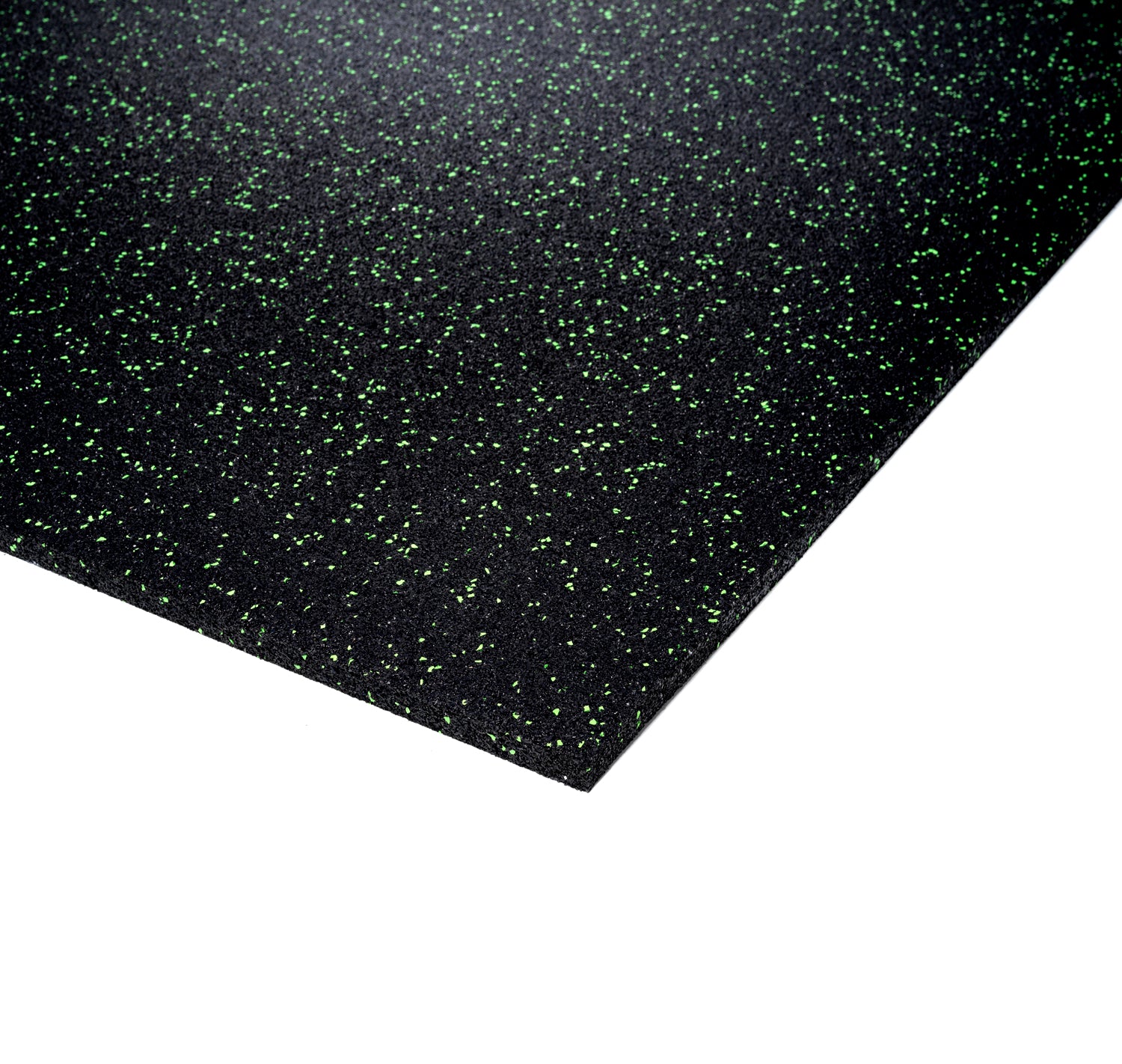
- Helps reduce footfall and other impact noise.
- Adds useful mass to suitable lightweight floor systems.
- Suitable for timber, concrete and screeded subfloors.
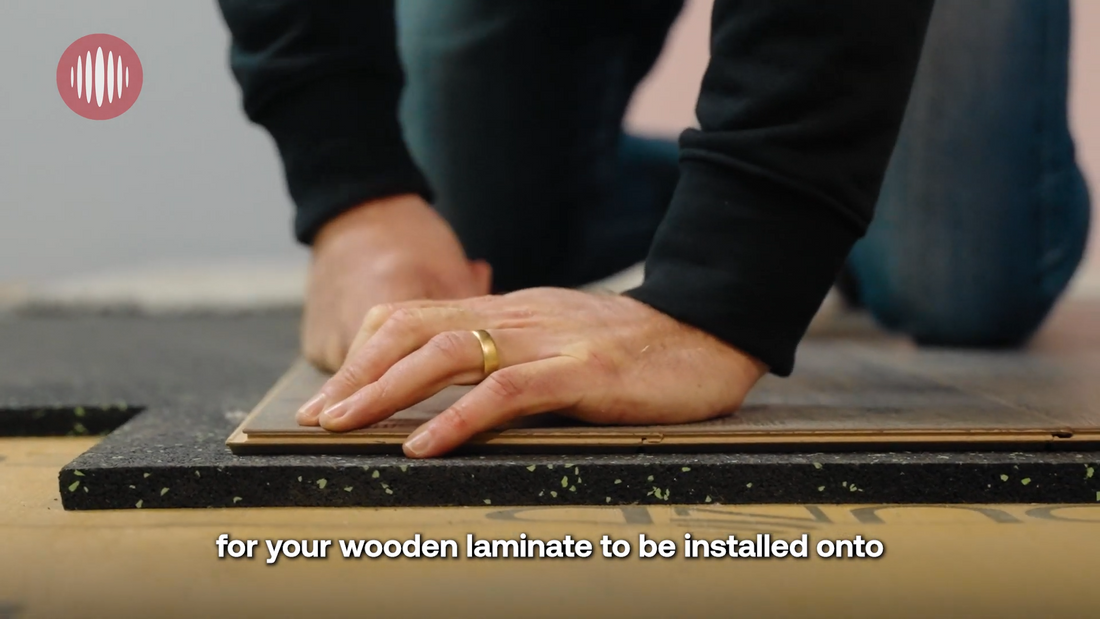
- Can be used beneath compatible floating timber and laminate floors.
- Works beneath LVT when combined with an approved rigid overlay board.
- Easy to cut and shape with a sharp trimming knife.
- Suitable for refurbishment and new-build projects.
- Made from recycled rubber and designed to remain resilient.
Using LVT? Combine dB Matting with Jumpax Dual Overlay Board or another approved rigid overlay so the LVT has a stable load-distribution surface.
dB Matting 12mm: The Standard Leasehold Solution
dB Matting 12mm is the usual starting point for flats changing from carpet to engineered timber or laminate. It offers a high-density treatment while keeping the increase in floor level relatively controlled.
Swipe sideways to view the complete table on mobile.
| Property | dB Matting 12mm |
|---|---|
| Thickness | 12mm |
| Sheet size | 1.25m × 1m |
| Coverage | 1.25m² per sheet |
| Published impact result | 49dB LnT,w |
| Published airborne result | 57dB DnT,w + Ctr |
| Suitable subfloors | Timber, concrete and suitable screeded floors |
Download the dB Matting 12mm datasheet
dB Matting 15mm: Upgrade the Acoustic Floor
Where additional thickness and mass can be accommodated, dB Matting 15mm is the premium option. It is especially suitable for refurbishment projects where the landlord, freeholder or managing agent expects a more robust acoustic specification.
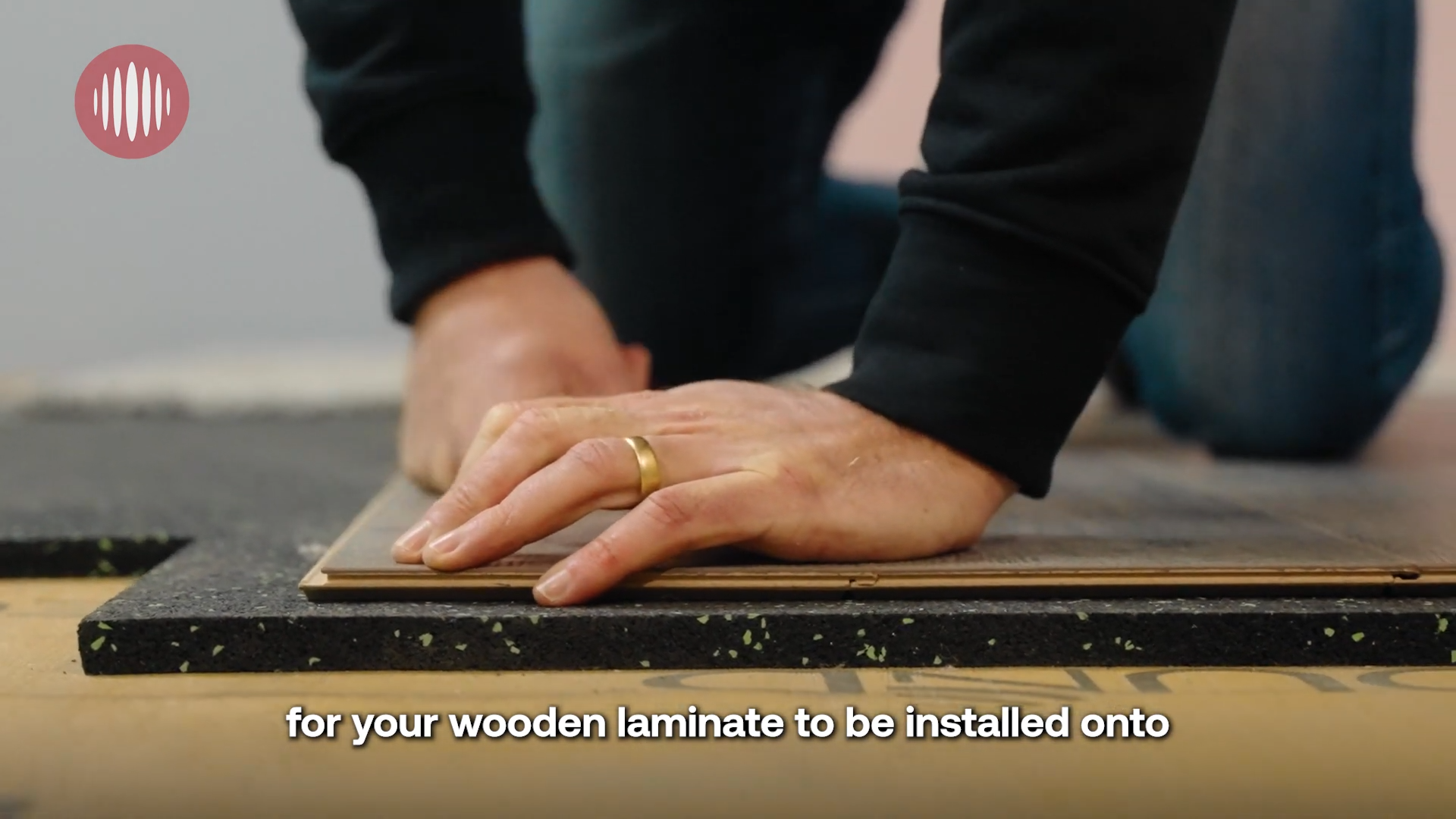
The 15mm version can be laid beneath compatible floating timber or laminate flooring and can also form part of an LVT system when paired with a suitable rigid overlay.
Swipe sideways to view the complete table on mobile.
| Property | dB Matting 15mm |
|---|---|
| Thickness | 15mm |
| Sheet size | 1.25m × 1m |
| Coverage | 1.25m² per sheet |
| Nominal weight | 15kg/m² |
| Deflection | Approximately 0.4mm |
| Published impact result | 47dB LnT,w |
| Published airborne result | 58dB DnT,w + Ctr |
Download the dB Matting 15mm datasheet
A 5-Star Rated Acoustic Flooring Product
Verified feedback supports its practical performance
dB Matting 15mm currently holds a five-star Feefo product rating. Verified reviews mention reliable service, straightforward installation and satisfaction with how the matting performs.
Review scores and review counts can change as new verified feedback is submitted. Use the live product page for the latest rating.
Real Acoustic Performance Data
The published values for dB Matting are complete-system results. They show how a tested floor performed with the acoustic mat included, rather than the number of decibels the mat will remove in every property.
- Airborne sound: dB Matting 15mm has been associated with published system results around 58–59dB, depending on the test construction and rating format.
- Impact sound: published system values for the 12mm and 15mm products are approximately 49dB and 47dB LnT,w respectively.
- Interpretation: higher airborne results are better; lower impact results are better.
Site performance varies. The existing slab or joists, ceiling below, floor finish, perimeter isolation, installation quality and flanking transmission all influence the result.
Learn more on the Wood & Laminate Acoustic Floor System page, which also includes a product calculator for the main acoustic layers and accessories.


Watch the Product and Installation Videos
What Is dB Matting?
How to Install dB Matting
How Much dB Matting Do You Need?
Each 12mm or 15mm sheet covers 1.25m². Multiply the room length by its width, divide the result by 1.25 and round up to the next whole sheet.
Example: a 4m × 3m room is 12m². Divide 12 by 1.25 to get 9.6, so the minimum requirement is 10 sheets before allowing for cutting waste.
Calculate irregular rooms in separate rectangles and add the results together. Allow 10% for cutoffs and wastage - additional material is usually required around alcoves, bay windows and angled walls.
Which Version Should You Choose?
Swipe sideways to view the complete comparison on mobile.
| Consideration | dB Matting 12mm | dB Matting 15mm |
|---|---|---|
| Typical role | Standard high-performance leasehold option | Premium upgrade where greater thickness can be accommodated |
| Floor build-up | Lower finished-floor increase | 3mm greater increase |
| Published impact result | 49dB LnT,w | 47dB LnT,w |
| Published airborne result | 57dB DnT,w + Ctr | 58dB DnT,w + Ctr |
| Best choice when | Thresholds and doors restrict the available height | The specification calls for the more robust mat and floor height permits it |
Before You Install
- Check the lease and obtain any required licence to alter.
- Confirm that the subfloor is dry, clean, level and structurally sound.
- Check that the selected floor finish is compatible with direct installation over dB Matting.
- Use a suitable perimeter isolation strip and avoid rigid contact with walls and services.
- Do not fix through the acoustic mat unless the approved system specifically requires it.
- Use a rigid overlay beneath LVT and other finishes that need load distribution.
- Request project-specific test data where the managing agent or acoustic consultant requires evidence.
Conclusion
When a lease requires a hard floor to perform more like carpet, a thin decorative underlay is rarely a convincing specification. dB Matting provides a dense, tested and practical acoustic layer for compatible wood and laminate floors, with the 15mm version offering the premium upgrade where the available build-up allows.
The safest approach is to confirm the full floor construction before work begins. This reduces the risk of ordering the wrong materials, creating acoustic bridges or breaching a lease condition.
Acoustic values quoted in this article relate to stated tested floor constructions. Actual installed performance depends on the complete structure, workmanship, floor finish, joints, gaps and flanking transmission.