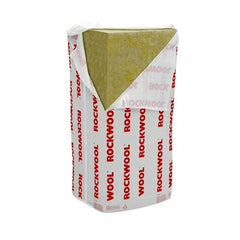
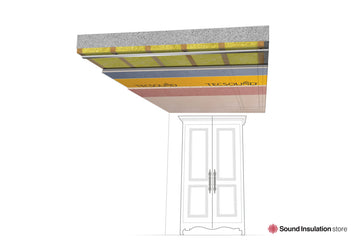
Remove the existing ceiling to reveal the cavity and underside of concrete soffit. Ensure the soffit i structurally sound and in good condition. Install 50mm timber battens to the underside of the concrete soffit.Install 50mm Rockwool RWA45 between the battens. Friction fit the insulation and make sure it is tightly packed. Make sure any gaps around the perimeter of the room are also insulated.
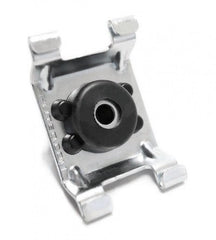
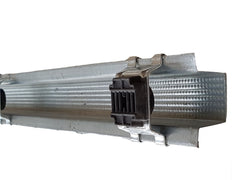
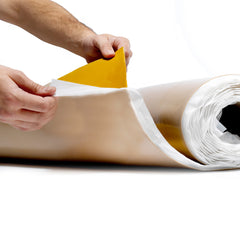
Install the Genieclip RST to the underside of the joists at 400mm centres (see full genieclip installation instructions below). Install genieclip furring channels into the genieclips at 400 centres. Leave the furring channel 5mm from the perimeter of where the ceiling meets the wall. Install a layer of 15mm Siniat dB Plasterboard (Blue) directly into the genieclip furring channels. Install in a brick bond pattern, leave a 5mm expansion gap around the perimeter of the ceiling and infill with acoustic sealant. Install the Tecsound SY50 over the plasterboard. There are different techniques for installing the Tecsound, it can be cut into sections and installed in manageable sections up onto the ceiling, or it can be installed onto the board before installing the ceiling. The layer of Tecsound must be continuous across the entire ceiling . Fix a final layer of 12.5mm Siniat Fireline plasterboard over the Tecsound. Fix through the Tecsound and first layer of plasterboard to ensure you catch the furring channels with the fixing of the second board. Again install in a brickbond pattern and leave a 5mm expansion gap around the perimeter of the ceiling and infill with acoustic sealant. The ceiling is now ready to be finished with either wet plaster or tape and joint finish.
.
Important Information
Sound Insulation Store are specialists in acoustics and sound insulation. All guidance, system information and predicted performance figures are provided for general assistance only.
It is the customer’s responsibility to ensure that the existing structure is suitable and compatible with any proposed sound insulation system. Where required, customers must seek advice from a structural engineer, building control, or another appropriately qualified professional.
Customers must also confirm whether their project requires specific fire resistance, structural, or regulatory compliance measures. Any fire, structural, or regulatory approval must be obtained independently from a competent specialist.
Sound Insulation Store has worked with NCPL to produce Insul prediction graphs and holds site test data on our Part E systems. These figures are intended as guidance only.
Actual on-site performance will vary depending on the condition and construction of the existing building, flanking transmission routes,installation quality, and any unforeseen site variables.
No performance level can be guaranteed unless independently tested on site after installation.