Next day delivery - order before 11am
5/5 Rating
Flexible finance
Ask for experts advice
Acoustic Underlay
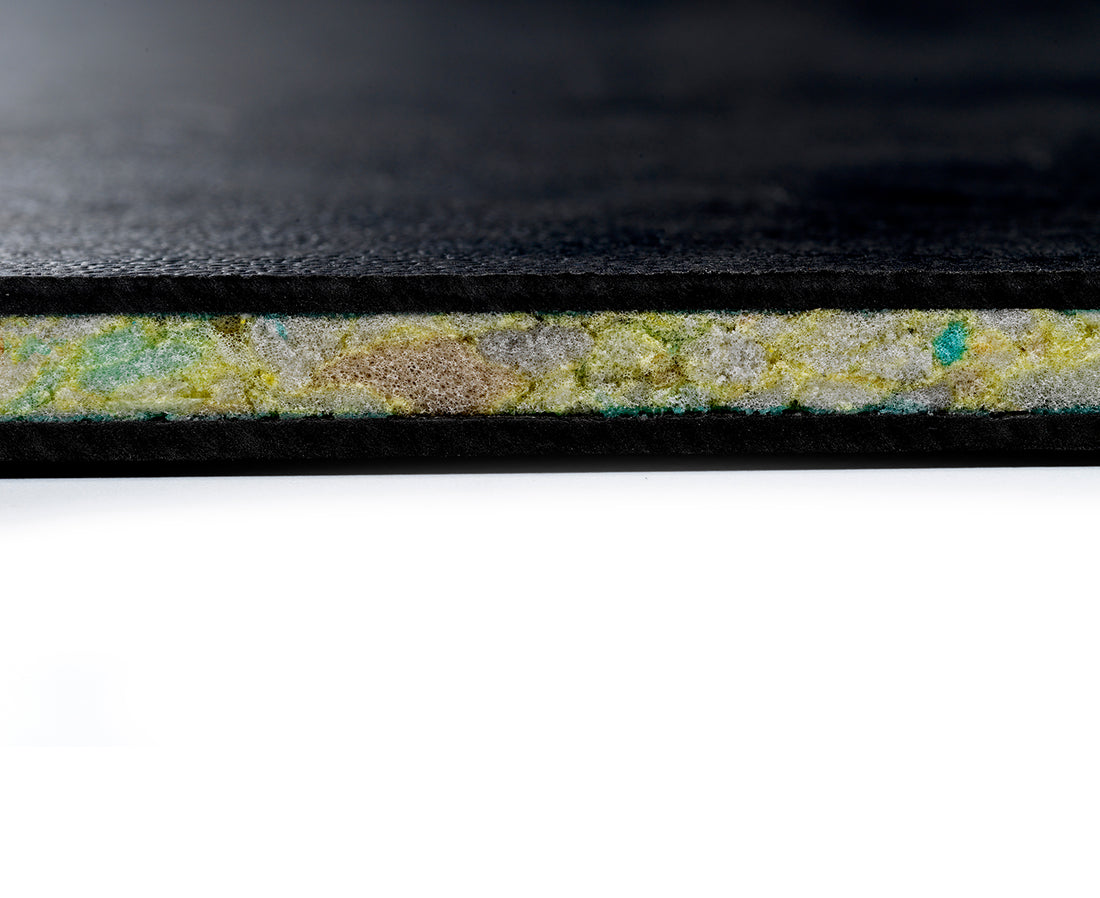
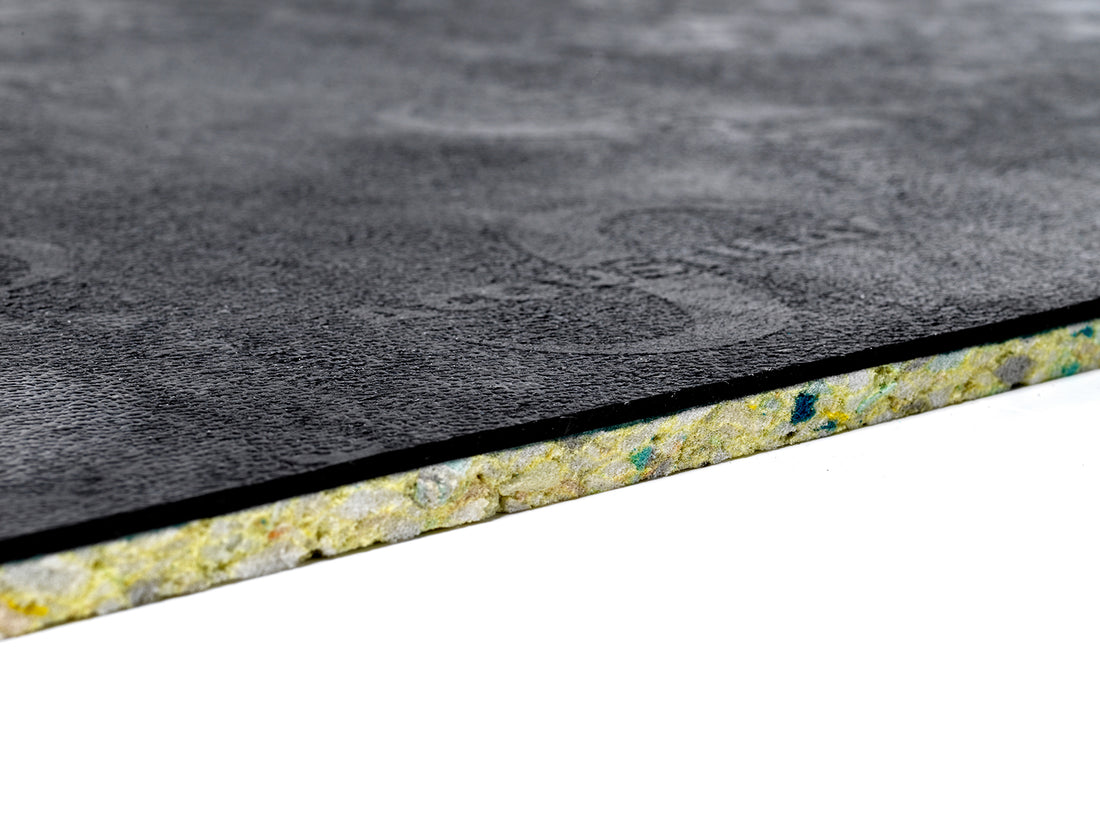
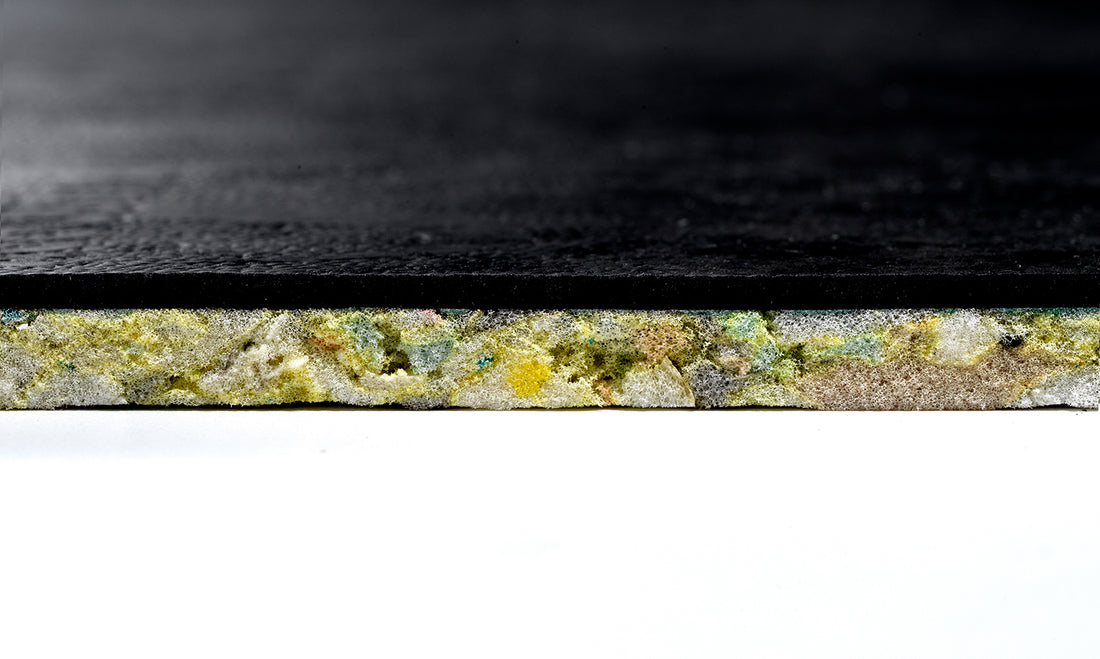
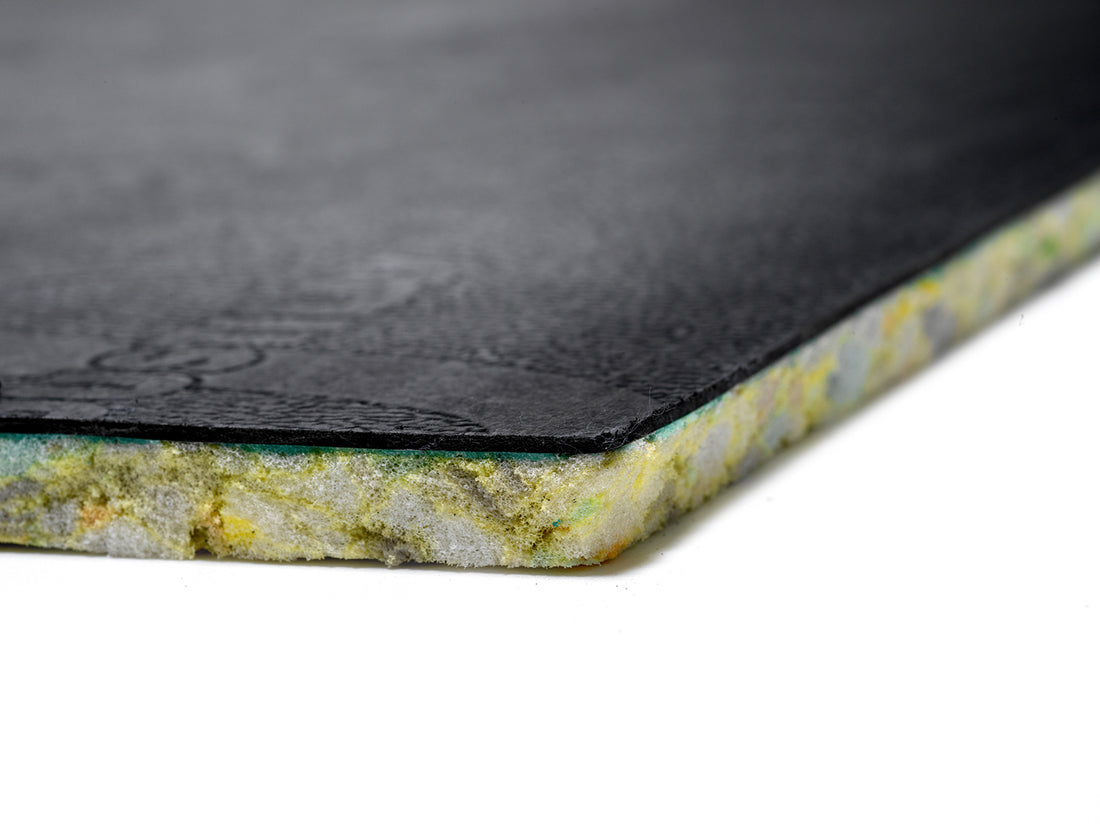
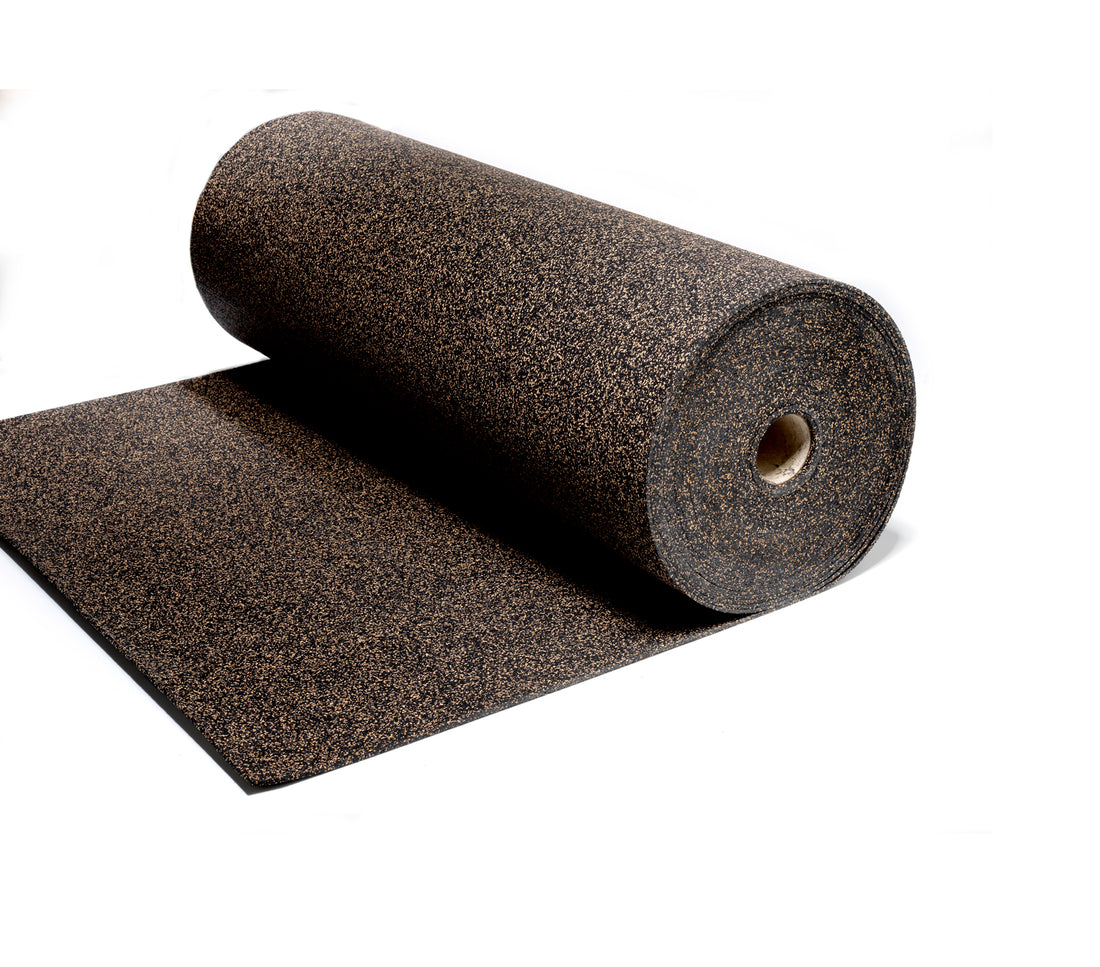
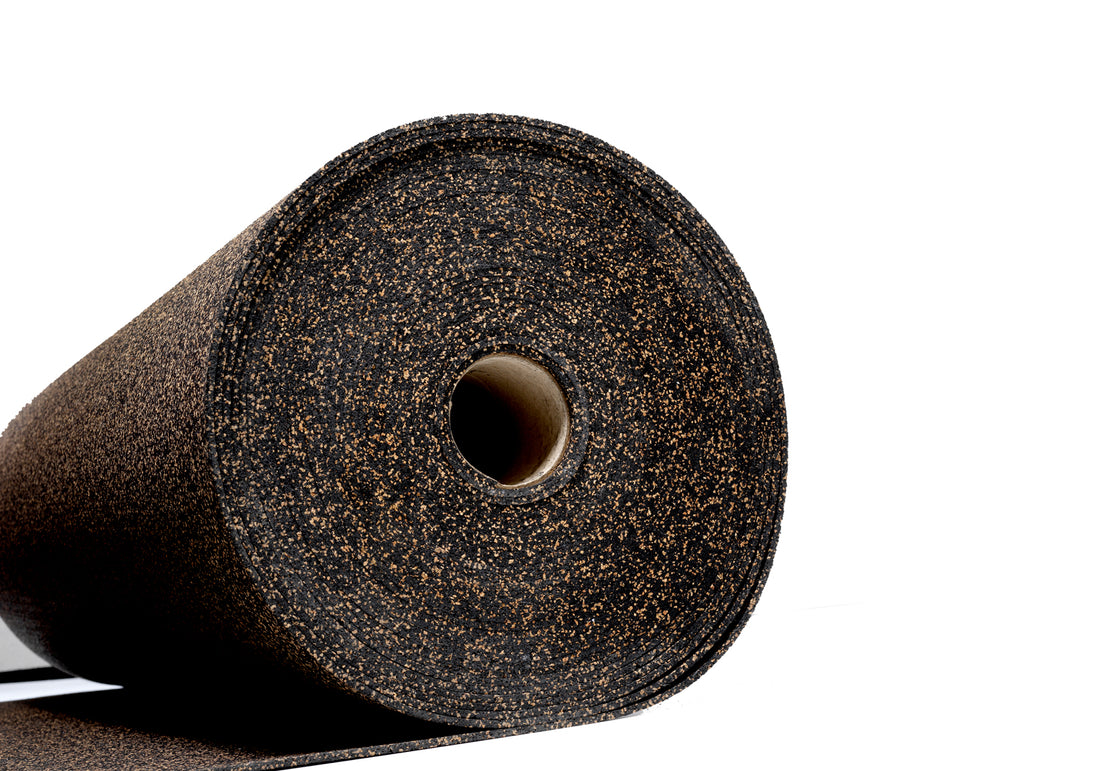
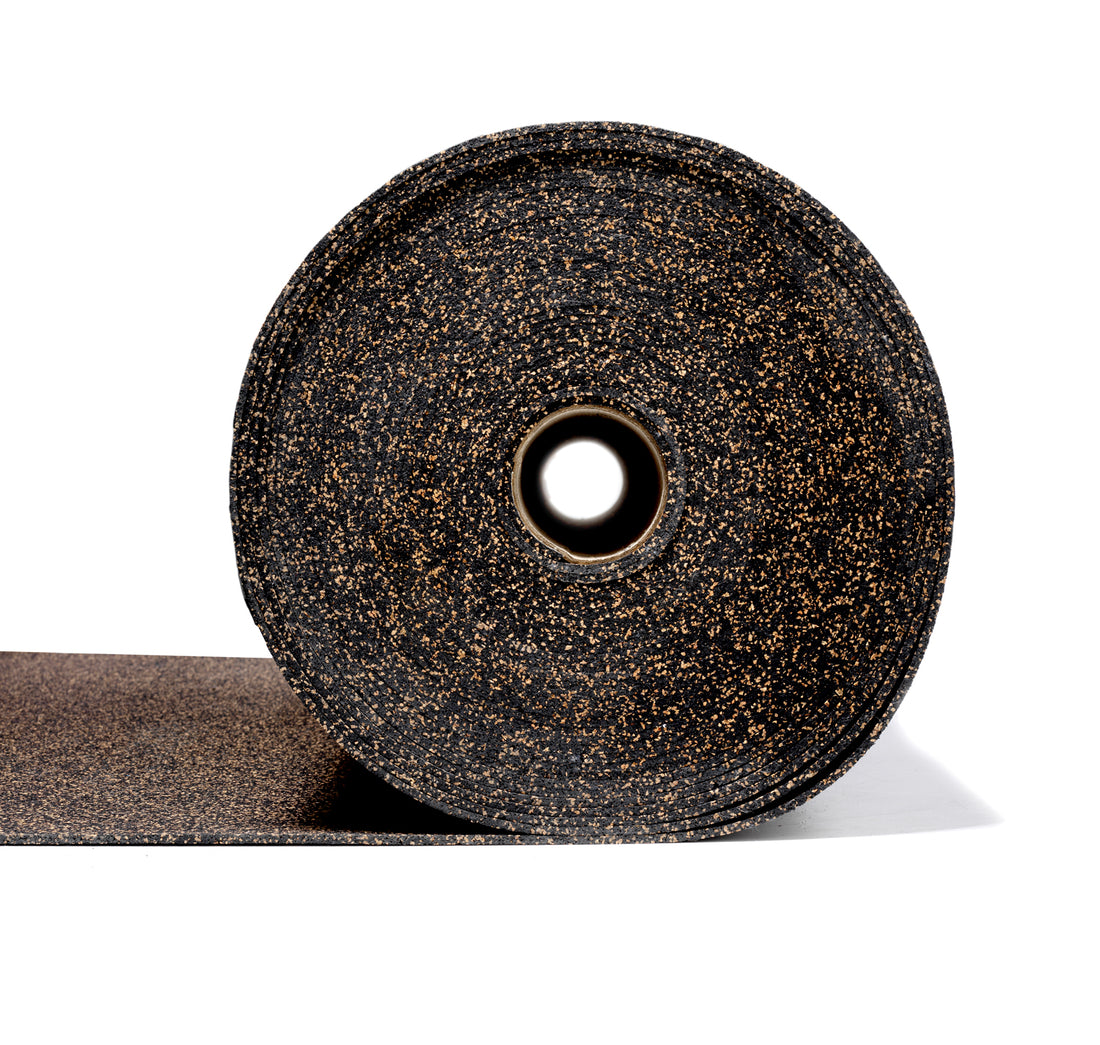
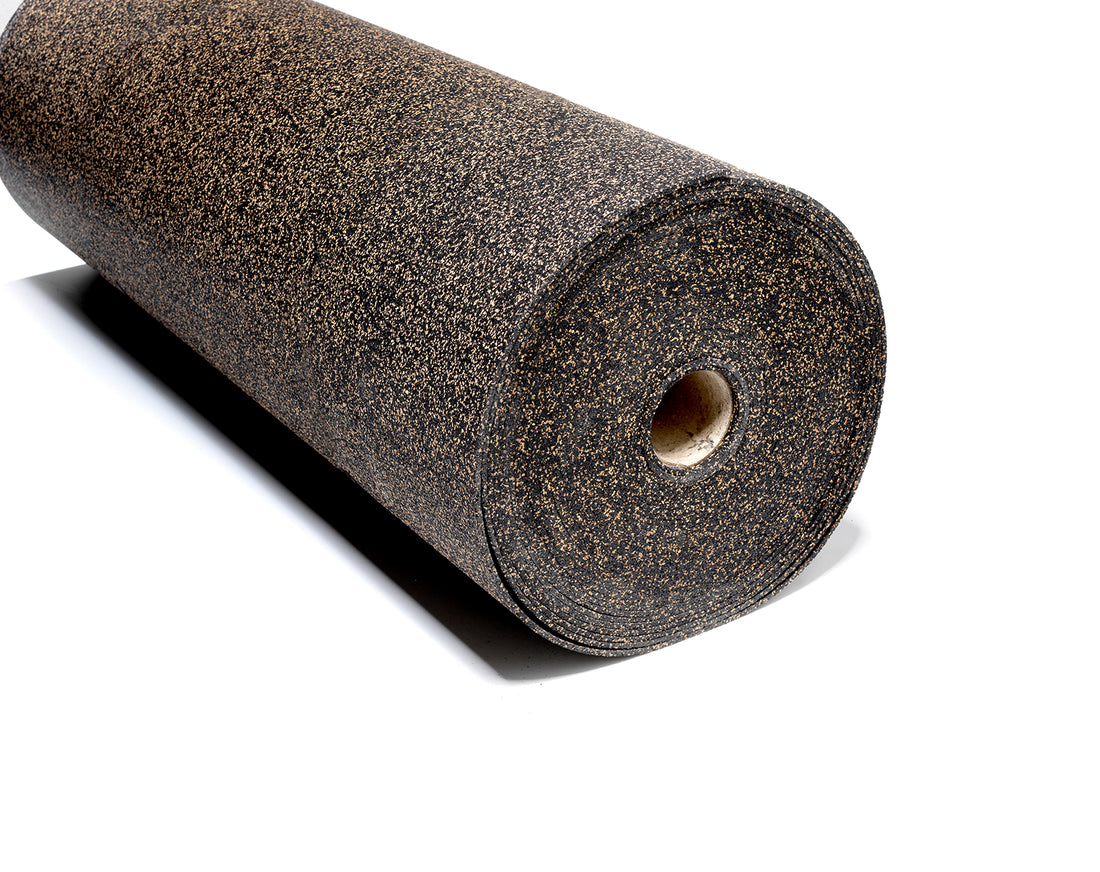
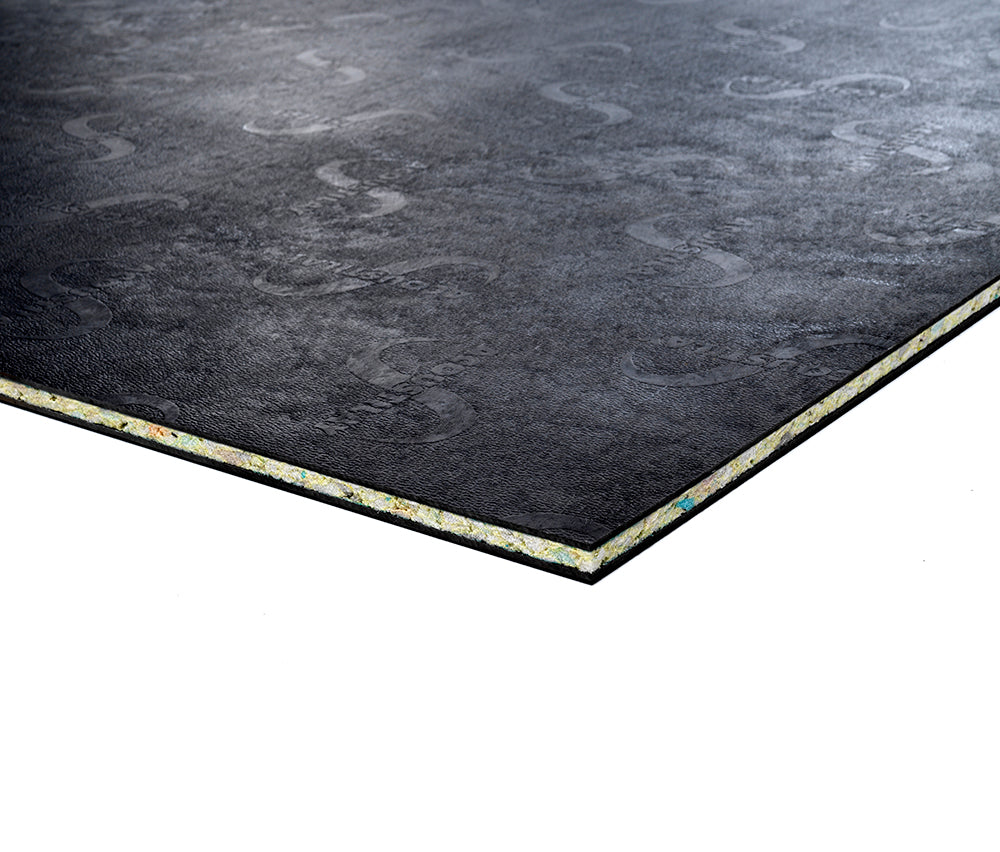
Our range of acoustic underlay helps reduce impact noise from footsteps and moving furniture, while also helping to control airborne sound such as voices and television noise through timber and concrete floors.
Suitable for carpet, laminate, engineered wood, LVT and tiled floors, our soundproofing underlays provide solutions for homes, flats, apartments and commercial projects. Choose from options designed to minimise floor height build-up, including our Acoustilay range and solutions suitable for projects where Part E Building Regulations acoustic performance needs to be considered.
For projects requiring a more comprehensive treatment, explore our acoustic flooring solutions.
Filters
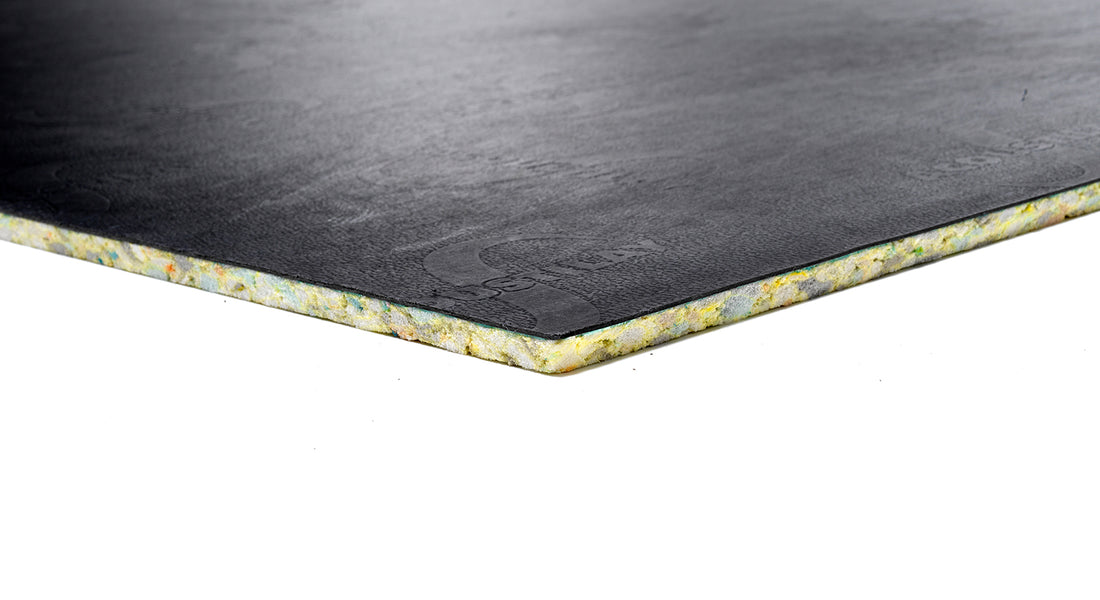
Acoustilay 15
Acoustilay 8
Acoustilay 3
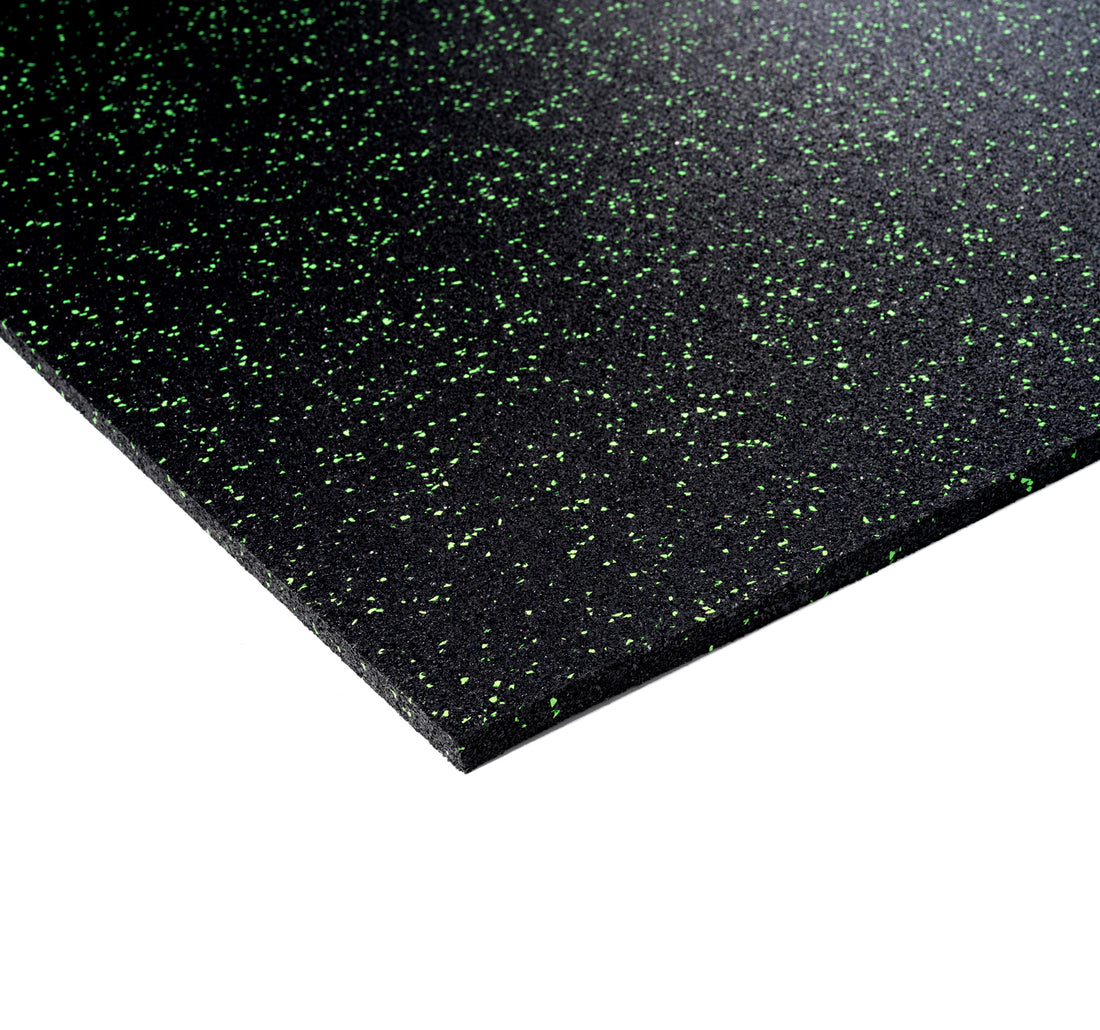
Wood & Laminate dB Matting 12mm
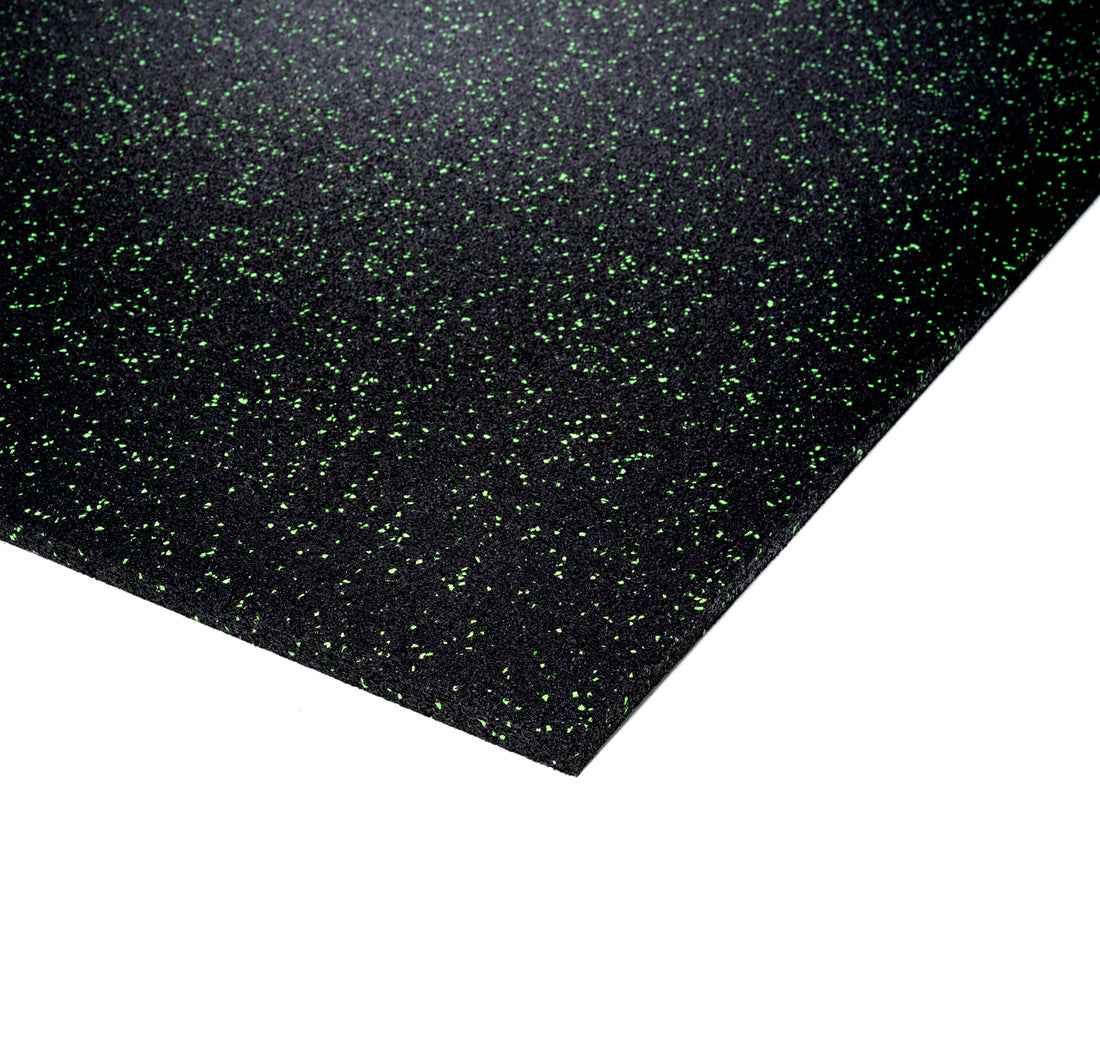
dB Acoustic Underlay 15
dB Acoustic Underlay 12
dB Acoustic Underlay 9
Acoustilay Tilemat
9mm MDF T&G (1200mm x 600mm x 9mm)
Silence Comfort Wool Acoustic Underlay – 11mm (10m²)
- Featured
- Most relevant
- Best selling
- Alphabetically, A-Z
- Alphabetically, Z-A
- Price, low to high
- Price, high to low
- Date, old to new
- Date, new to old
Which Acoustic Underlay Do I Need?
Acoustic underlay is installed beneath the finished floor to help reduce sound transmission, particularly footsteps and other impact noise. Choosing the right underlay depends on your floor finish, the construction below and the level of sound reduction required.
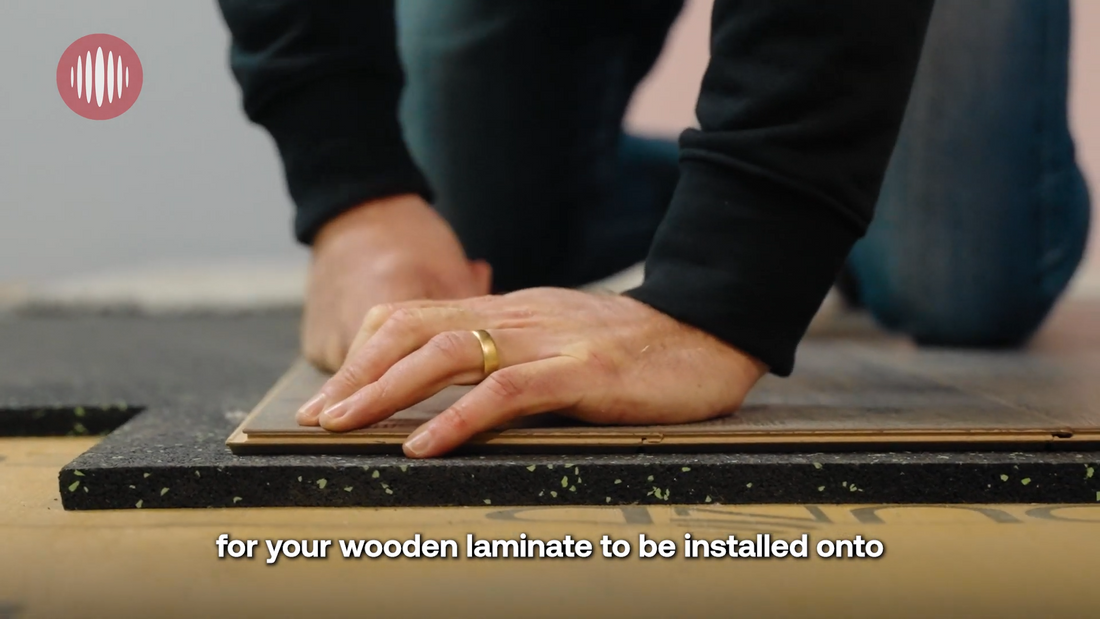
For timber, hardwood and laminate floors, look for a dense, resilient underlay that reduces impact noise while providing suitable support for the finished floor. Products such as DB FFR 6mm and DB Matting 12mm are designed for applications where footfall noise needs to be controlled without compromising the stability of the floor.
For carpeted floors, softer high-density acoustic underlays can combine sound reduction with additional comfort underfoot. DB Acoustic Underlay and products from our Acoustilay range are suitable options where reducing noise beneath carpet is the priority.
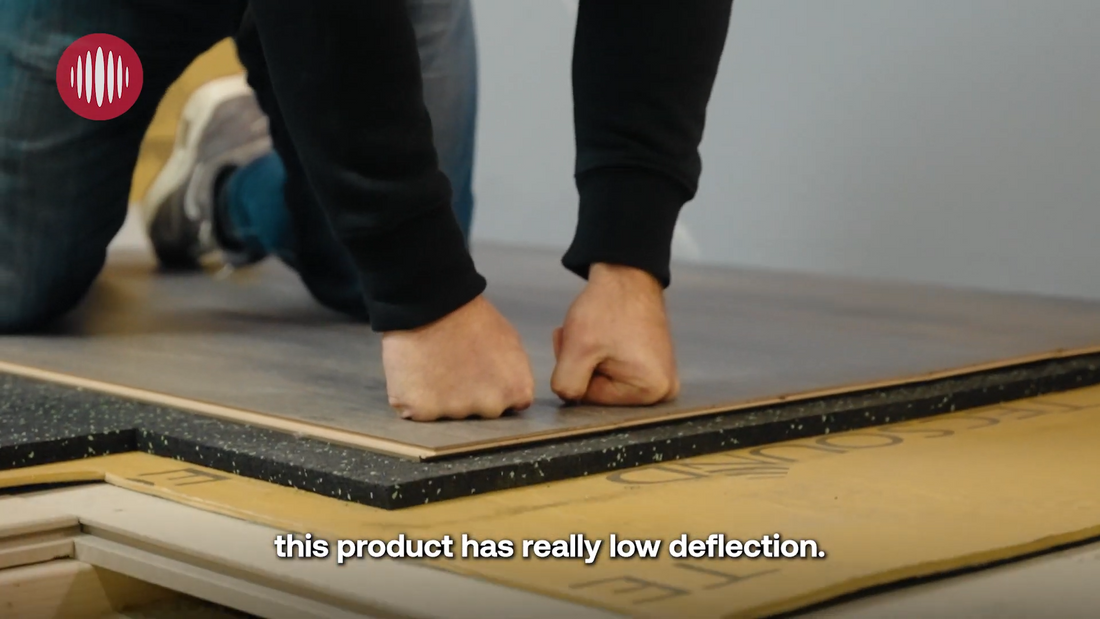
For LVT flooring, the acoustic layer needs to provide a firm and stable base with low deflection. Systems such as Jumpax Classic and Acoustic Underlay for LVT are designed to provide acoustic performance while supporting the requirements of luxury vinyl flooring.
If you also need to reduce airborne noise such as voices, television or music, acoustic underlay may need to form part of a more complete floor soundproofing solution rather than being used on its own.
Frequently Asked Questions
What is acoustic underlay and how does it work?
Acoustic underlay is a sound-reducing layer installed beneath a finished floor. It helps absorb vibration and reduce sound travelling through the floor structure, particularly impact noise caused by footsteps, dropped objects and furniture movement.
Different acoustic underlays are designed for different floor finishes and constructions, so the correct product will depend on the flooring being installed, the subfloor and the type of noise you are trying to reduce.
What is the best acoustic underlay for reducing noise?
There is no single acoustic underlay that is best for every floor. The most suitable option depends on the finished flooring, the construction beneath it and whether impact or airborne noise is the main problem.
Rigid finishes such as laminate and engineered timber generally require a resilient underlay that also provides adequate support, while carpet can accommodate softer acoustic underlays. LVT typically requires a firmer, low-deflection acoustic solution.
For projects requiring higher acoustic performance, you can also explore the Acoustilay acoustic underlay range. For specific product recommendations, see our buying guide above.
Does acoustic underlay reduce footsteps and impact noise?
Yes. Reducing impact noise is one of the main purposes of acoustic underlay. It creates a resilient layer between the finished floor and the structure below, helping to reduce vibration caused by footsteps, dropped objects and furniture movement.
Performance will depend on the underlay, floor construction and installation method. For more severe impact-noise problems, the underlay may need to form part of a complete acoustic floor system.
Can acoustic underlay reduce airborne noise?
Acoustic underlay can contribute to reducing airborne noise, but it is generally more effective at controlling impact sound such as footsteps.
If voices, television, music or other airborne noise are the main problem, additional mass and acoustic insulation may be required within the floor construction. In these situations, a complete floor soundproofing system will usually be more appropriate than relying on acoustic underlay alone.
Can acoustic underlay be used on timber and concrete floors?
Yes. Acoustic underlay can be used with both timber and concrete floor constructions, provided the product is suitable for the intended floor finish and installation method.
On timber floors, acoustic underlay can help reduce impact noise through the floorboards and joists. Where airborne noise is also a problem, acoustic insulation between the joists or additional soundproofing layers may be required.
On concrete floors, acoustic underlay is commonly used beneath the finished flooring to reduce impact sound transferring through the structural slab.
Can acoustic underlay be used under laminate, LVT and carpet?
Yes, but the type of acoustic underlay needs to be compatible with the finished flooring.
Laminate and engineered timber generally require an underlay that provides acoustic resilience while remaining sufficiently firm to support the floor. Carpet can usually use a softer, high-density acoustic underlay, while LVT typically requires a firm, stable and low-deflection acoustic solution.
Always check that the chosen acoustic product is suitable for both the floor finish and the intended installation method.